


Fuerteventura: 8 places you must see on the Canary Island + map
- Julian

- Jun 30, 2025
- 6 min read
If you asked me which of the seven Canary Islands has the most beautiful beaches, I would without hesitation name Fuerteventura . Here you'll find miles of pristine white and golden sand beaches that are unique in the world. But the island offers even more: an impressive volcanic landscape with rolling hills, volcanic craters, and fascinating rock formations.
The beaches of Fuerteventura are a true paradise! Here's everything you need to know for your vacation—including the 8 best places you absolutely must-see on the island!

Don't have time to read? Here's a quick overview of the most important information:
When is the best time to travel to Fuerteventura?
The best time to travel is from April to October, when the weather is warm and the wind makes the summer heat pleasant.
Which beaches are particularly beautiful on Fuerteventura?
Corralejo, Playa de Sotavento and Cofete Beach are famous for their endless stretches of sand and turquoise waters.
Is Fuerteventura good for water sports?
Yes, the island is famous for surfing, kitesurfing and windsurfing, especially in Corralejo and Costa Calma.
Do I need a car on Fuerteventura?
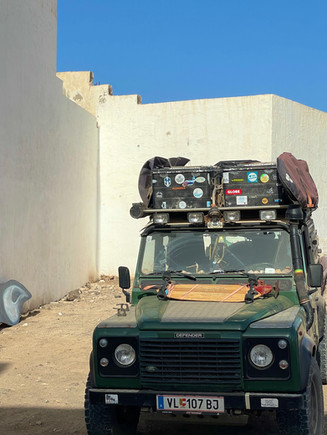
I would highly recommend renting a car to easily explore the expansive island and its remote beaches.
What natural attractions are there in Fuerteventura?
The sand dunes of Corralejo and the Calderón Hondo volcano are particularly impressive and popular with hikers.
What is the food like in Fuerteventura?
Fresh fish dishes and traditional Canarian dishes such as gofio and papas arrugadas are a must in local restaurants.
Is Fuerteventura expensive?
Fuerteventura is relatively affordable and offers a variety of accommodations and affordable dining options. There's something for every budget!
General information about Fuerteventura:
Fuerteventura is the second-largest of the Canary Islands and is located in the Atlantic Ocean, about 100 km from Morocco. The name "Fuerteventura" means "strong wind" – and the wind is indeed omnipresent here! It can be a bit annoying at first, but after a few days, it becomes a welcome companion, especially during the hot midday hours when it provides some cooling.
With an area of 1,660 km², the island has a desert-like, volcanic landscape: barren hills, massive sand dunes, and impressive coastlines characterize the island. You won't find lush vegetation here, which has earned it the nickname "moonscape ." But don't worry, there are plenty of breathtaking places to discover!
Best time to travel to Fuerteventura:
Thanks to its mild climate, Fuerteventura is a year-round destination. The ideal time to visit depends on what you want to experience:
January to March: Perfect for hiking at a pleasant 20-23°C, with fewer tourists and reasonable prices. The sea is refreshing at 18-20°C, but not ideal for swimming.
April to June: Peak season for windsurfers and kitesurfers due to strong winds. Temperatures range from 23-27°C, ideal for active vacationers.
July to September: Peak summer season with temperatures up to 30°C and warm water (21-23°C). Especially windy in July, perfect for beach lovers and water sports enthusiasts.
.
October to December: Pleasant late summer with temperatures of 24-27°C in October, perfect for beach days. From November onwards, it becomes calmer and milder (20-23°C), ideal for hiking and relaxation.

Getting around the island:
A rental car is the most flexible option for exploring Fuerteventura—especially if you want to discover secluded beaches like Cofete or sights off the main roads. The roads are well-maintained and paved, and parking is easy, often even free , in most towns and tourist areas like Corralejo or Morro Jable.
Alternatively, Fuerteventura offers a reliable bus network, operated by Tiadhe , connecting the major towns and tourist resorts. Tickets cost between €1.50 and €10 , depending on the route . However, the buses mostly run only along the main roads, making them less ideal for remote destinations. You can find the bus timetable and route overview here .
How many days are enough?
I recommend 7-10 days to explore Fuerteventura at a relaxed pace. This gives you enough time to enjoy the beaches and visit the sights. Of course, you can also extend your stay for a purely relaxing holiday.

These 8 things you absolutely have to see in Fuerteventura!
Cofete Beach
Playa de Cofete in the south of Fuerteventura is considered one of the most beautiful beaches in Europe. With 12 kilometers of pristine, golden sand and imposing mountains as a backdrop, this secluded beach is a paradise. The 20-kilometer drive along a gravel road is an adventure, but worth it. Swimming is not recommended here due to strong currents, but the beach is perfect for walking and photography.
A four-wheel drive is definitely the best choice here, but I've also seen some brave Fiat 500s successfully make it through – so don't worry, it's doable!

Playa del Matorral
Playa del Matorral near Morro Jable is a long, fine sandy beach with turquoise waters. The striking lighthouse divides the beach into two sections. Thanks to the calm waves, this beach is ideal for a relaxing day by the sea.
There are plenty of (free) parking spaces near Morro Jable. From there, it's just a few minutes' walk to the beach!



The Dunes of Corralejo (Dunas Corralejo)
In the north of Fuerteventura, you'll find the Corralejo Dunes. They are part of the Corralejo Natural Park and cover 2,600 hectares. The fine sand, volcanic landscape, and turquoise sea make this one of the most beautiful spots on the island. Beware of the wind and protect yourself with a scarf or shawl.


Sotavento de Jandia Beach
Sotavento de Jandía Beach is one of the island's most spectacular beaches. It's known for its vast expanses of sand, turquoise waters, and the picturesque lagoon that forms at low tide. Located in the south of Fuerteventura on the Jandía Peninsula, it stretches for more than 20 kilometers.
Thanks to the consistent winds, the beach is a paradise for kitesurfers. International competitions such as the Windsurfing & Kiteboarding World Cup are held here every year. The beach is also ideal for swimmers. Sotavento de Jandía Beach is easily accessible by car, and there are designated parking spaces.
This beach is an absolute must for any holiday on Fuerteventura!

Natural swimming pool Crab Rocks ( Piscinas Naturales Aguas Verdes)
You've probably already spotted this natural pool on social media, right? No wonder, because when there's little wind, this spot is not only stunningly beautiful, but also a perfect photo opportunity ! The natural pools offer a sheltered environment for swimming, while outside, the waves crash impressively against the rocks. Just be sure to pay attention to the tides: At high tide, the water can become rougher, and the currents should not be underestimated.

Playa Bajo Negro (El Bajo Negro)
Playa Bajo Negro (also known as El Bajo Negro) is located in the Corralejo Natural Park in the north of Fuerteventura. Located right next to the famous Corralejo Dunes, the beach is less crowded than other beaches in the region. It is characterized by its wild beauty and fine, white sand.

It offers a relatively calm bathing environment, with gentle waves ideal for swimming. In the background, you can even see the "Isla de Lobos ." This small, uninhabited island owes its name to the "Lobos Marinos" (sea lions) that once lived there, although they have since disappeared.
Playa Bajo Negro is easily accessible from the main road FV-1. There are parking spaces nearby, and you can access the beach via a footpath. This beach is truly perfect for a relaxing day at the beach and swimming!

Beach of Bajo de la Burra
Playa de Bajo de la Burra, also known as Popcorn Beach, is located in the northern part of Fuerteventura, near the town of Corralejo. This secluded beach is particularly known for its white sand dunes and volcanic cliffs. The beach is not directly accessible via major roads, but rather via a dirt road.
The name Popcorn Beach comes from the small, white stones scattered along the beach, which are shaped like popcorn . These stones give the beach a very special aesthetic and make it a popular photo subject. Admittedly, the beach doesn't have much to offer beyond that. Unfortunately, this beach isn't really ideal for swimming or relaxing. So, I would only recommend a visit if you're nearby. I've included it on my list anyway, because I found the "popcorn" really interesting.


Barranco de las Peñitas
Barranco de las Peñitas is a spectacular gorge in central Fuerteventura that's perfect for hiking . The walk leads through rocky valleys and steep slopes, offering fantastic photo opportunities. After rainfall, small pools of water form, making the landscape even more picturesque.


By the way : Follow me on my social media channels to get exclusive insights into my travels! On Instagram (@juliantravelstheworld), I'll take you to the most beautiful places in the world, share insider tips, inform you about local prices, and show you my accommodations. I'll link everything for you so you're perfectly prepared. Let's discover the most beautiful places in our world together.
More impressions of Fuerteventura:






Comments